







NDIS accommodation
The right home. The right support. Your way.
Supported Independent Living and Specialist Disability Accommodation for people who need daily support, accessible housing or both.
Choosing the right pathway
SIL and SDA meet different needs.
Some people need SIL, some need SDA, and some receive both. We review support needs, accessibility requirements, preferred location and living arrangements before discussing suitable options.
Vacancies and household compatibility can change. Current options are therefore discussed directly with our accommodation team, with a home visit arranged where there is a suitable match.
Accommodation pathways
Understand the difference between SIL and SDA.
SIL relates to the support you receive to live independently. SDA relates to specialised housing designed for eligible participants with significant accessibility or support needs.

Supported Independent Living
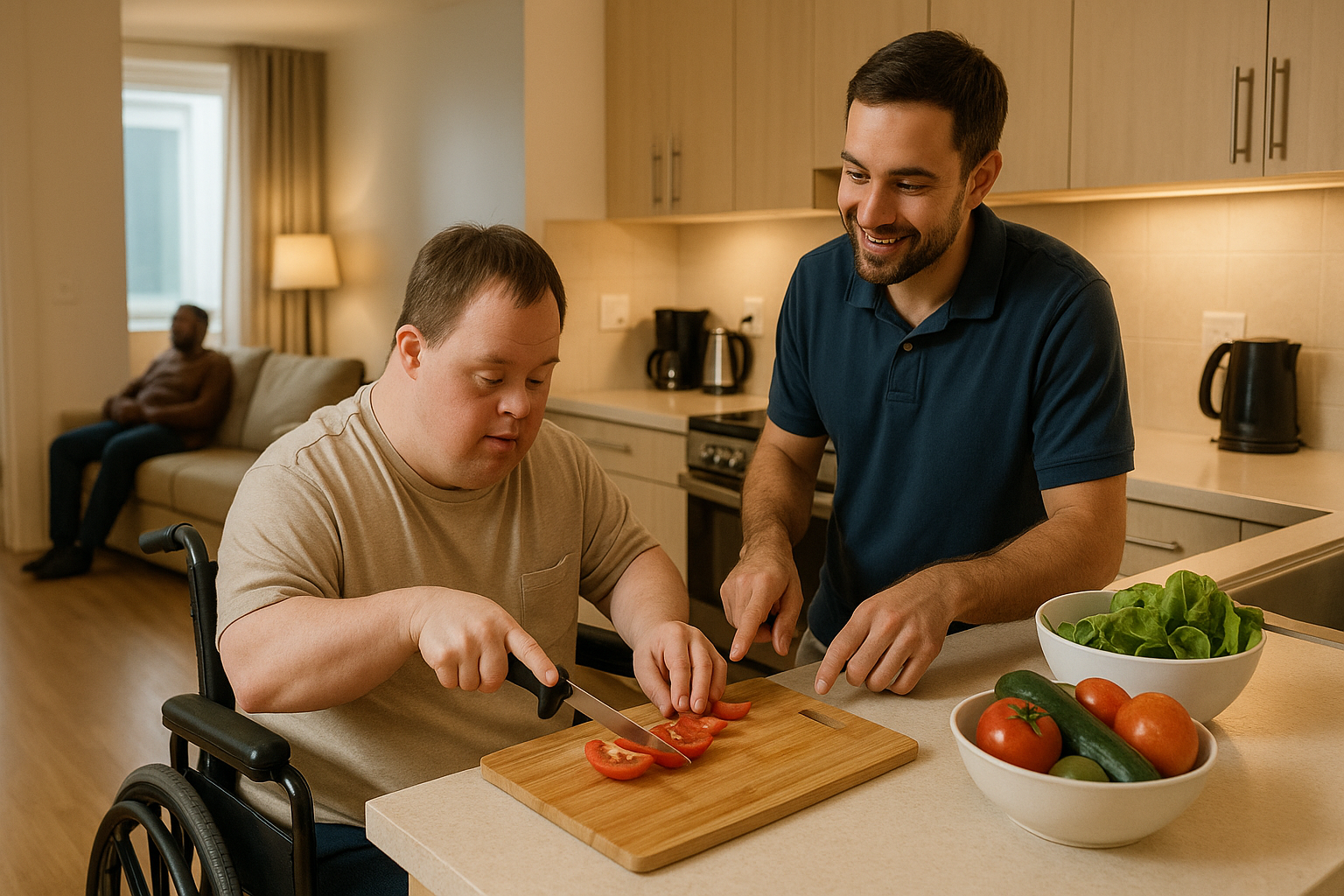
SIL provides daily living assistance for people who need support to live as independently as possible in a shared or individual home.
- Personal care and everyday living assistance
- Cooking, cleaning and household routines
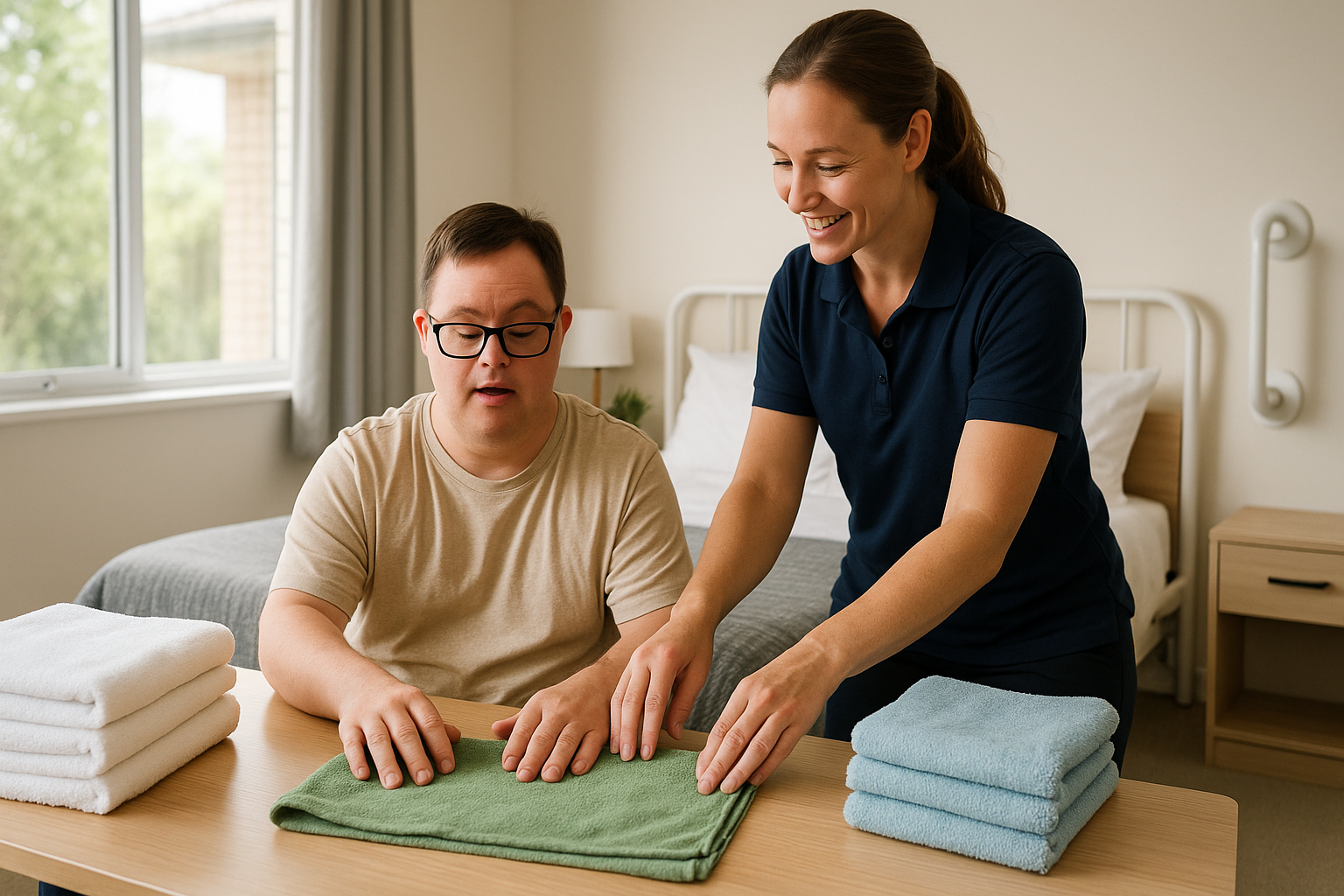
- Skill development and community participation
- Flexible or around-the-clock assistance
Specialist Disability Accommodation
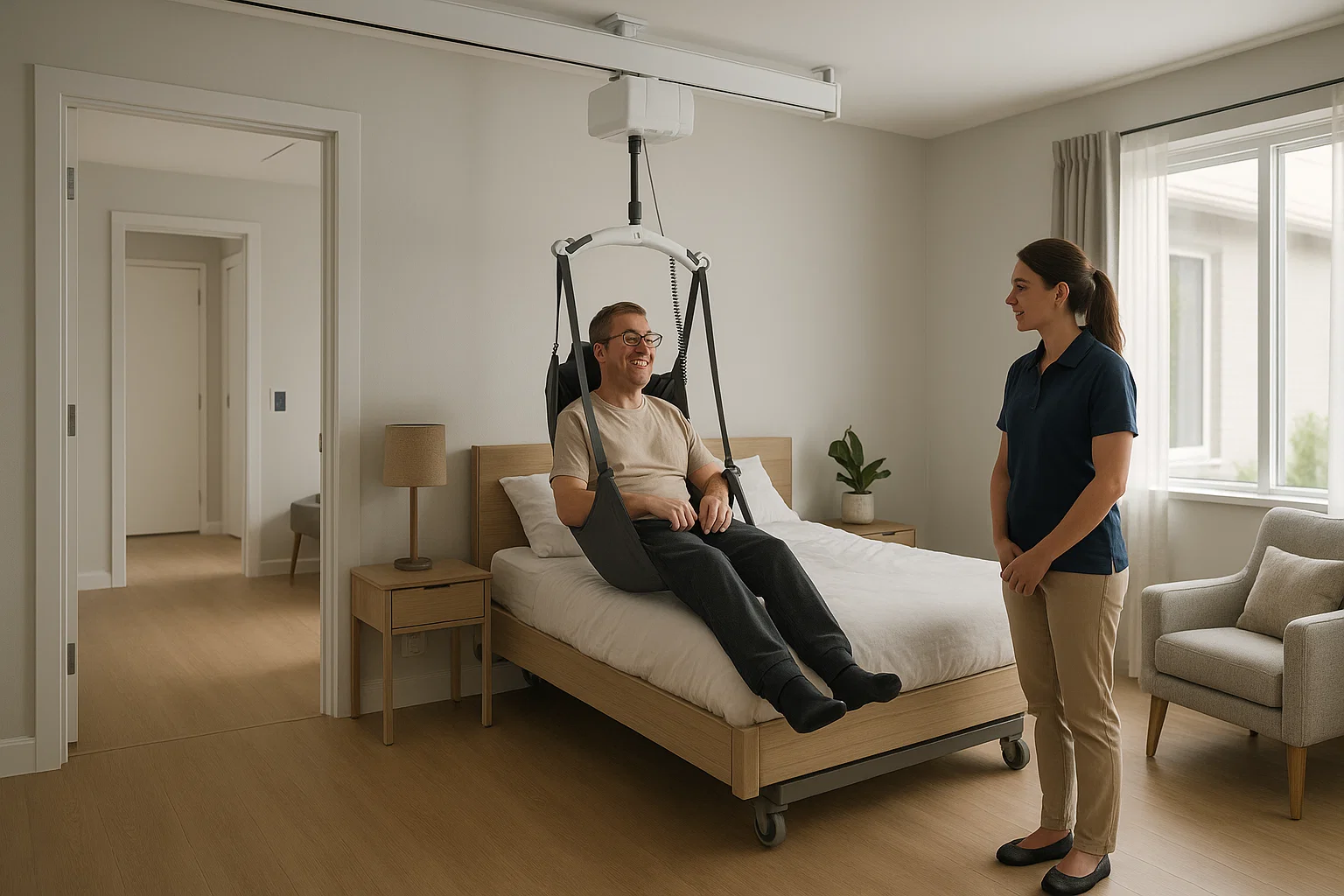
SDA provides purpose-designed housing for eligible participants with significant functional impairment or very high support needs.
- Purpose-built accessibility and safety features
- Improved mobility and greater independence
- Shared homes and individual living options
- Housing matched to individual requirements
What we consider
A suitable home starts with the right information.
-
Support and clinical needs We review daily support, mobility, medication, behaviour support, equipment and overnight assistance.
-
Household compatibility Shared living options consider routines, communication, preferences, age and compatibility with other residents.
-
Location and accessibility We consider access to family, community, transport, appointments and any required home modifications.
-
Transition readiness We identify the documentation, staffing, equipment, introductions and staged transition needed before move-in.
How it works
From enquiry to move-in.
The process is coordinated with the participant, family, support coordinator and relevant health professionals.
Enquire and share information
Tell us the preferred location, timeframe, living arrangement, support needs and current NDIS funding.
Review needs and funding
We review reports, accessibility, support ratios, health requirements, risks and SIL or SDA funding.
Match and visit
Where a suitable option is available, we arrange a tour, introductions and compatibility discussions.
Plan the transition
We coordinate agreements, staffing, equipment, healthcare information and a staged move where required.
Start an accommodation enquiry.
Share the preferred area, timeframe, support needs and current SIL or SDA funding. We will explain the next practical step.